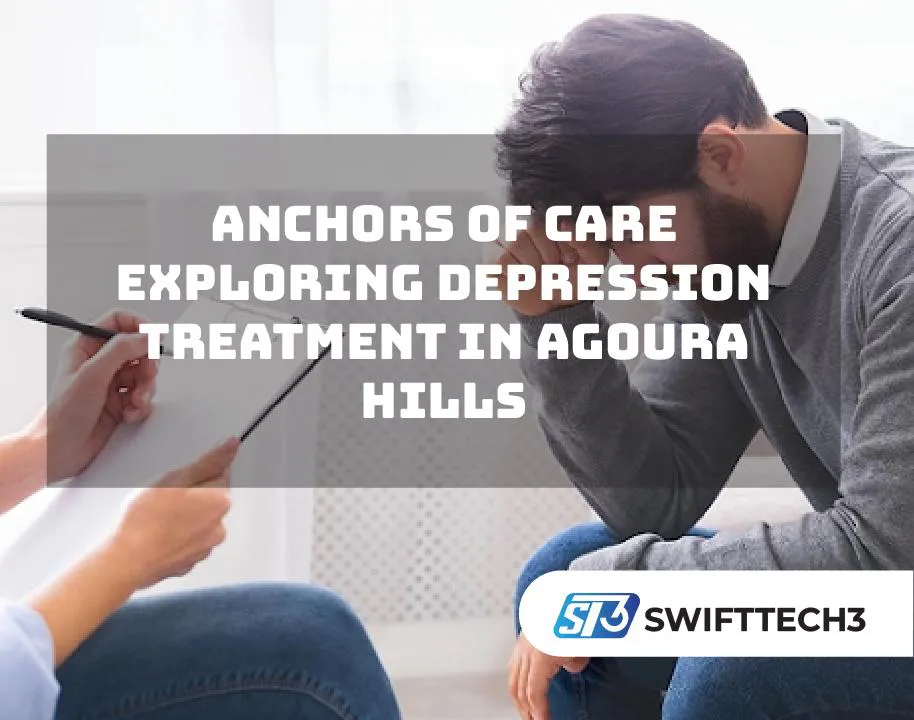
Depression can disrupt daily routines, relationships, and overall well-being — it’s more than occasional sadness, and it’s a condition that responds to professional treatment. Options for Depression Treatment in Agoura Hills are designed to address both symptoms and underlying causes, and it’s worth understanding what a genuinely thorough treatment plan actually looks like before starting one.
Why Personalized Treatment Matters
No two experiences with depression are identical. Effective treatment looks past general symptoms to identify contributing factors — stress, family dynamics, cognitive patterns, or other underlying conditions. Individualized care plans that reflect a person’s specific circumstances tend to produce more sustainable progress than a one-size-fits-all protocol.
Core Elements of Treatment Programs
Treatment programs generally combine several approaches for well-rounded support:
- Comprehensive evaluations that identify patterns of depression and any related conditions
- Individual therapy sessions for processing emotions and thoughts in a structured setting
- Family-focused strategies that improve communication and strengthen support at home
- Skill-building tools for managing stress and setbacks going forward
How Treatment Progress Is Actually Tracked Now
One meaningful shift in outpatient mental health care over the past several years is measurement-based care (MBC) — using standardized, validated tools like the PHQ-9 (Patient Health Questionnaire) to track depression severity at regular intervals rather than relying only on a clinician’s general impression of how someone is doing. The American Psychiatric Association recognizes MBC as a core component of quality behavioral health care, and current clinical software increasingly builds these assessments directly into the check-in process, automatically scoring results and giving clinicians a longitudinal view of a patient’s progress over time rather than a single snapshot per visit.
This matters practically: a 2026 study published in Psychiatric Services found that when a standardized assessment was built into the electronic check-in process, PHQ-9 completion rates rose from roughly 5% of visits to 60–66%, with even higher completion for telehealth visits than in-person ones. That’s a meaningful gap — it means a clinic actually using structured, digital tracking is more likely to catch a patient plateauing or declining early, rather than only relying on how the conversation happens to go in a given session.
If you’re evaluating a provider, it’s a fair question to ask directly: does this practice use structured, repeated assessment tools to track progress, or is monitoring based purely on subjective check-ins? Both can be part of good care, but the research consistently favors having both.
The Value of Local, In-Person Support
Seeking help can feel daunting, and having access to treatment within one’s own community lowers a real barrier to starting. For Agoura Hills residents, local availability supports consistent, ongoing relationships with providers — something telehealth alone doesn’t always replicate as well, particularly for therapy modalities that benefit from in-person rapport. Access to both local and telehealth options, depending on the week and the person’s needs, tends to work better than committing to only one format.
Evidence-Based Therapeutic Approaches
Effective depression treatment typically blends established, researched techniques — cognitive behavioral therapy (CBT), mindfulness-based strategies, and other evidence-based practices — to address both symptoms and longer-term patterns. This combination of immediate symptom relief and skill-building for the future is what distinguishes genuinely evidence-based treatment from a purely supportive, unstructured approach.
What to Look for in a Treatment Program
- A structured intake evaluation, not just an initial conversation
- Named, specific evidence-based methods (CBT, mindfulness-based approaches, or others), not vague references to “personalized care”
- Some form of regular, standardized progress tracking (like PHQ-9 scoring) alongside subjective check-ins
- Clear options for both in-person and telehealth sessions
- A plan for family involvement, where appropriate and desired
FAQ
What types of depression treatment are offered in Agoura Hills?
Most providers offer individual therapy, family-focused strategies, and evidence-based approaches like CBT and mindfulness-based techniques, often supported by structured progress tracking.
Is local, in-person treatment more effective than telehealth for depression?
Neither is universally better — local, in-person care can build stronger provider relationships for some people, while telehealth improves access and, per recent research, is associated with higher completion rates for standardized progress assessments. Many people benefit from a mix of both.
What is measurement-based care, and why does it matter?
It’s the practice of using standardized, validated tools (like the PHQ-9) to track symptom severity at regular intervals rather than relying solely on subjective clinical impression — research shows it meaningfully improves how consistently progress gets tracked and acted on.
How do I know if a treatment plan is actually personalized?
Ask specifically what the intake evaluation covers, which named therapeutic approaches are used, and how progress is measured over time — vague language like “individualized care” without specifics is worth probing further.
This is general information about depression treatment approaches, not personalized medical advice. If you’re experiencing symptoms of depression, a licensed mental health professional or your primary care provider can help you find the right care. If you are currently in crisis or having thoughts of harming yourself, the 988 Suicide & Crisis Lifeline (call or text 988 in the US) is available 24/7.