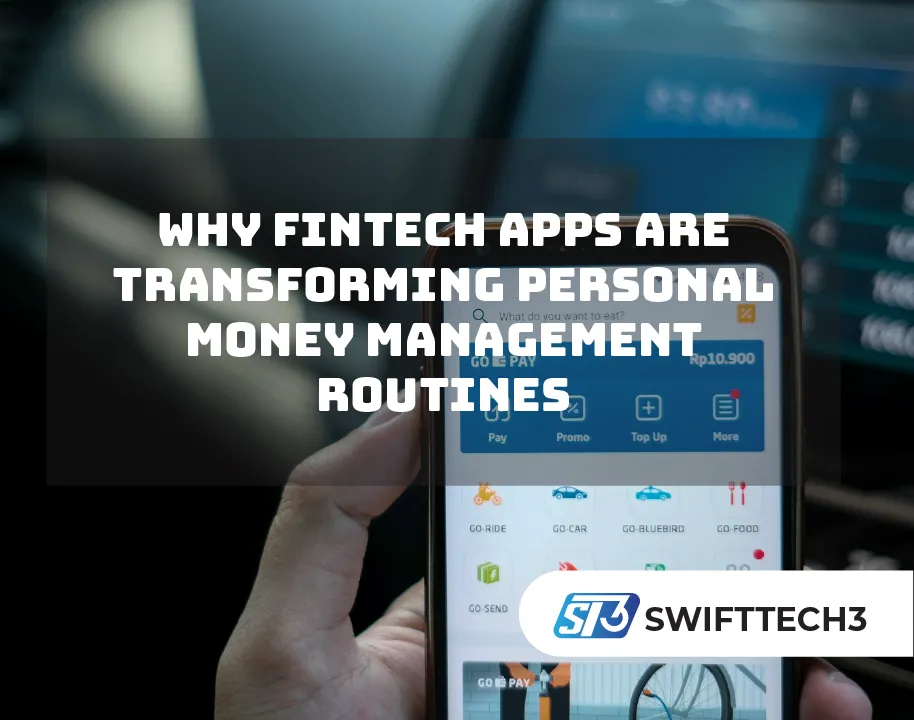
Fintech apps didn’t make people better at money — they made the feedback loop faster. Where checking your finances used to mean waiting for a statement, it’s now a 30-second glance at a phone. That shift, not any single feature, is the actual change worth understanding.
Personal Experience: The Habit That Actually Changed
The single biggest behavior shift wasn’t a fancy AI feature — it was moving from checking accounts once a month to checking a consolidated dashboard during genuinely dead time, like waiting for coffee. That small frequency change did more than any budgeting rule. Catching a duplicate subscription charge three days after it happens is a minor annoyance; catching it three months later after it’s charged nine times is real money gone. The automation didn’t build discipline — it just made the cost of not checking small enough that checking became easy to keep up.
What’s Actually Automated Here
Strip away the marketing language and three things are genuinely new:
- Account consolidation. Checking, savings, credit cards, and investments in one view, instead of four separate logins.
- Automatic categorization. Transactions sorted into spending buckets without manual tagging — useful mainly because it surfaces patterns (that $120/month in forgotten subscriptions) a person would otherwise never total up.
- Background automation. Round-up savings, scheduled transfers, and automated bill pay that require zero ongoing effort once set up.
None of this is exotic anymore — it’s table stakes across the category. What varies app to app is how well the automation is tuned to avoid annoying false alerts, and how clearly it explains why it’s suggesting something.
Where AI Actually Adds Value (and Where It’s Just a Label)
AI in personal finance apps has moved fast enough that it’s worth separating the real shift from the marketing gloss. Plaid’s Spring 2026 research on intelligent finance found that 55% of Americans had used AI for a financial task in the past year, and among those users, 86% said it helped them get a clearer picture of their overall financial health. That’s a meaningful adoption curve, not a novelty statistic. The genuinely useful version of this is proactive: flagging an unusual charge, projecting a tight week before it happens, or catching a subscription price increase. The less useful version is a chatbot restating your balance in a friendlier tone — helpful for approachability, but not actually new functionality.
App Categories Worth Knowing
Not every “fintech app” solves the same problem. It helps to know which category you actually need:
| Category | Example Apps | Core Job |
|---|---|---|
| Budgeting & consolidation | Monarch Money, Rocket Money, Copilot | Unified account view, spending categorization |
| AI-coached budgeting | Cleo | Conversational nudges and spending coaching |
| Round-up & automated saving | Acorns | Passive saving from everyday purchases |
| Robo-advised investing | Betterment | Automated portfolio management and rebalancing |
Picking the wrong category is a common mistake — an AI-coaching app won’t fix an investing gap, and a robo-advisor won’t help with day-to-day budgeting.
The Data-Sharing Question Most Articles Skip
Every one of these apps works by connecting to your bank account, usually through an aggregator like Plaid, and that connection is currently sitting on shakier regulatory ground than most coverage implies. The CFPB finalized its “open banking” rule under Section 1033 — the regulation meant to formally guarantee your right to share your own financial data with these apps — in October 2024. As of 2026, that rule is not actually in force: a federal court enjoined the CFPB from enforcing it while the agency reconsiders the rule, including whether banks should be allowed to charge fees for data access. In practice, the apps still work the same way today, but the legal framework guaranteeing free, standardized data access is genuinely unsettled — worth knowing if a bank or aggregator relationship changes unexpectedly. For a broader look at the privacy trade-offs involved in linking any app to sensitive accounts, this piece on growing online privacy risks is a useful companion read.
Common Mistakes People Make
- Linking everything and reviewing nothing. Automation surfaces patterns; it doesn’t act on them for you.
- Treating AI suggestions as advice rather than prompts. A flagged charge or spending nudge is a starting point for a decision, not a financial plan.
- Using one app for a job it wasn’t built for. A round-up saving app isn’t a substitute for a real budgeting and net worth tracker.
- Ignoring how data-sharing actually works. Understanding that your bank connection runs through an aggregator — and what that aggregator can and can’t see — matters more than most users realize.
FAQ
Do fintech apps actually change spending habits, or just track them?
Mostly by increasing visibility. Most people don’t overspend deliberately — they just don’t see it happening — and frequent, low-effort check-ins close that gap.
Is AI in finance apps actually useful, or just marketing?
Both exist. Proactive alerts and forecasting are genuinely useful; chatbot interfaces that just restate your balance more conversationally aren’t functionally new.
Is my financial data safe when I link accounts to these apps?
Generally yes when the app uses an established aggregator like Plaid, though the US regulatory framework guaranteeing standardized data-sharing rights (CFPB’s Section 1033 rule) is currently enjoined and under reconsideration.
What’s the difference between a budgeting app and a robo-advisor?
Budgeting apps track and categorize spending; robo-advisors like Betterment actively manage an investment portfolio. They solve different problems.
Are round-up savings apps worth using?
For passive, low-effort saving, yes — but the amounts are typically small and shouldn’t be mistaken for a full savings strategy.
Should I trust every automated spending suggestion an app makes?
Treat it as a starting point, not a final answer — verify anything unusual against the actual transaction before acting on it.
Actionable Takeaway
Pick your app by the specific job you need done — consolidated visibility, AI-coached budgeting, passive saving, or automated investing are four different problems — rather than by which one has the flashiest AI branding. And build in a five-minute weekly review habit; the apps make patterns visible, but visibility only helps if you actually look.
Disclaimer: The information provided on this website is for general informational and educational purposes only and should not be construed as financial, legal, insurance, or other professional advice. While we make reasonable efforts to ensure accuracy at the time of publication, products, rates, terms, coverage, and eligibility criteria mentioned may vary by provider and are subject to change without notice, and we do not guarantee the completeness, reliability, or current applicability of this content. Any reference to third-party banks, insurers, lenders, cards, or financial services does not imply endorsement or partnership. Readers should independently verify information and consult a licensed financial, legal, or insurance professional before making any decisions. SwiftTech3 assumes no liability for any loss, damage, or outcome arising from reliance on this content, and by using this website, you agree that any action taken based on the information provided is strictly at your own risk.