An empty lunch box at pickup feels like a small win. A full one, day after day, leaves most parents wondering what went wrong — was it the food, or something else entirely? Often it’s something else: the same sandwich that vanishes on Tuesday comes back untouched on Thursday, packed in a different container. That inconsistency points to something worth taking seriously — taste and nutrition matter, but so does the physical object the food arrives in.
The Psychology Behind Snacks Kids Actually Finish
Children experience food differently than adults do. Taste matters, but so do color, texture, shape, and how much effort it takes to actually get the food into their mouth during a short, distraction-filled lunch period. Convenience and familiarity strongly influence what gets eaten at school — kids gravitate toward food that’s easy to access and doesn’t require fighting with packaging.
What makes snacks appealing to children usually comes down to a short list: easy to hold and eat quickly, familiar flavors, bright colors and fun shapes, and bite-sized portions that don’t require much manual effort. These details sound minor, but they consistently show up as the difference between a lunch box that comes back empty and one that doesn’t.
Why the Lunch Box Itself Matters as Much as What’s Inside
This is the part most nutrition advice skips: a genuinely well-designed lunch box can solve half the “why won’t they eat it” problem before you’ve even decided what to pack. Modern bento-style boxes with built-in compartments — brands like Bentgo, OmieBox, and PlanetBox are current favorites among reviewers — let a child see and access several small portions at once instead of digging through one crowded container, which noticeably reduces the friction that makes kids give up on lunch early.
| Lunch box type | What it solves | Best for |
|---|---|---|
| Compartmentalized bento box | Prevents food from touching, makes small portions visible and separate | Picky eaters, kids who prefer variety over one big meal |
| Built-in chill-zone / ice-pack box | Keeps cold items (yogurt, fruit, cheese) actually cold through lunchtime | Schools without refrigeration, warmer climates |
| Insulated thermos-style box | Keeps hot foods (soup, pasta) warm for several hours | Kids who prefer hot lunches over cold sandwiches |
| Electric heated lunch box | Actively warms food rather than just retaining heat | Older kids or teens with access to an outlet, longer school days |
A leak-proof, easy-to-open design matters just as much as the compartments themselves — a container a young child struggles to open independently often just doesn’t get opened at all during a short break, regardless of what’s inside.
Taste and Familiarity Influence Snack Choices
Children naturally prefer flavors they recognize, and familiar foods provide comfort and predictability that makes them more likely to actually get eaten during a rushed school day. That’s why certain snacks become steady favorites while others consistently come back untouched — striking a balance between familiar staples and occasional new foods keeps lunch interesting without overwhelming a young child’s preferences.
The Role of Texture and Presentation
Texture matters as much as taste. Some kids prefer crunchy foods; others do better with something soft and easy to chew quickly. A colorful, neatly packed lunch box — made considerably easier with separate bento compartments — naturally draws a child’s attention and makes lunchtime feel more like an event than a chore. Mixing textures, using colorful fruits and vegetables, and keeping portions bite-sized all help, but the compartment design is what actually makes that variety easy to execute without everything blending together into one unappetizing mix by the time the box is opened.
What Parents Commonly Notice
Many parents report a familiar pattern when packing school lunches: the same meal comes back untouched one day and completely finished the next, with no obvious explanation. Often, it isn’t the food at all — it’s how it was served. Bite-sized fruit, mini sandwiches, and easy finger foods consistently outperform larger or more complicated options, and a well-designed compartment box tends to make all three easier to pack consistently.
Why Balanced Nutrition Still Matters
None of this replaces actual nutrition. Kids need steady energy through the school day, and balanced snacks combining carbohydrates, protein, and healthy fats support both focus and physical activity through the afternoon. Including Healthy Snacks for Kids Tiffin options helps ensure children get real nutritional value alongside a lunch they’re actually excited to eat — the gadget solves the “will they eat it” problem, but what’s inside still needs to be worth eating.
Personal Experience: What Actually Changed Our Lunch Box Routine
I switched my own child from a standard single-compartment container to a five-compartment bento box last year mostly out of curiosity, expecting the difference to be minor. It wasn’t. The same exact foods — cut fruit, crackers, cheese cubes — that used to come back half-eaten in the old container started coming back completely empty within about a week, with no change to the actual recipes. The compartments seemed to make the whole lunch feel more like a set of small, manageable choices instead of one intimidating pile of food. The lesson that stuck with me: I’d spent months tweaking recipes trying to solve a problem that was actually a container problem the whole time.
Practical Tips for Packing Better School Snacks
Include at least one food your child already enjoys, introduce new items gradually, and keep portions age-appropriate. Use a variety of colors and textures, pack foods that are quick to eat, and rotate snacks regularly to avoid boredom. Pairing these habits with a compartmentalized, leak-proof box removes most of the remaining friction that causes food to come back untouched.
When Small Additions Make Snacks More Enjoyable
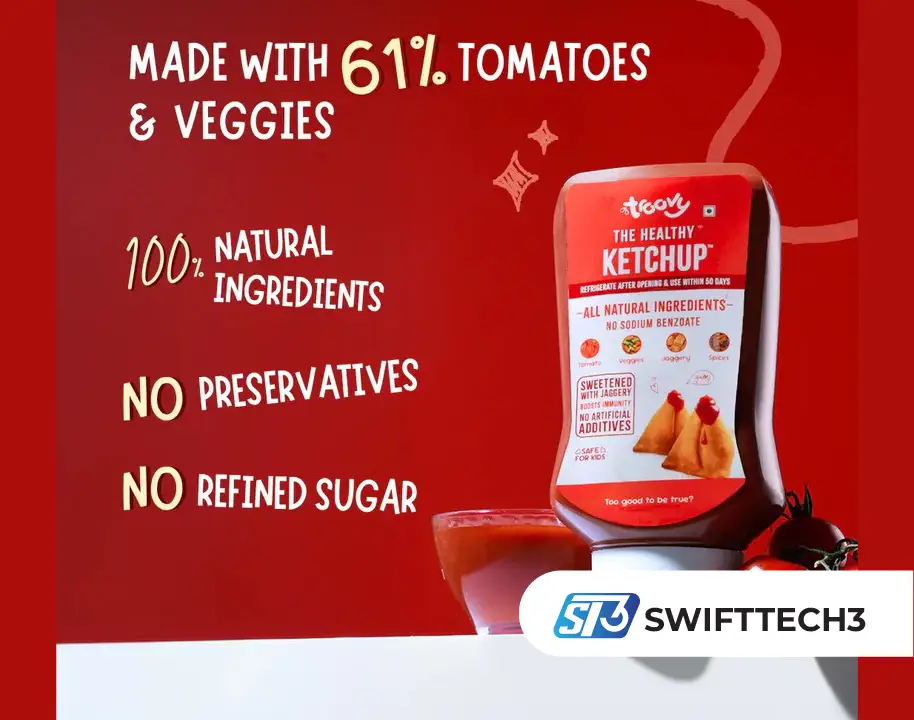
Dips, spreads, and mild sauces can add variety without overwhelming a simple meal, and kids often enjoy the interactive element of dipping or spreading food themselves — something a compartment box’s small side cups make easy to pack without a mess. Pairing bite-sized foods with something like Healthy Tomato Sauce for Kids can boost flavor while keeping the overall lunch nutritionally balanced.
FAQs
Why do some children leave snacks untouched in their lunch boxes?
Often it’s convenience and presentation rather than taste — unfamiliar foods, difficult packaging, or a container that’s hard to open during a short break all reduce how much actually gets eaten.
Does the type of lunch box actually affect how much food a child eats?
Yes — compartmentalized, leak-proof, and appropriately insulated boxes make food easier to access and keep it at the right temperature, both of which measurably affect how much gets finished.
Are bento-style lunch boxes worth it over a standard container?
For many families, yes — separating food into small, visible portions reduces the effort a child needs to start eating and tends to improve how much gets finished.
Is an electric heated lunch box worth it for younger kids?
Usually better suited to older kids or teens with outlet access; younger children typically do fine with an insulated thermos-style compartment for hot food.
How often should I rotate lunch box snacks?
Every few days — enough to prevent boredom while keeping familiar favorites in regular rotation.
Can dips and sauces encourage healthier eating habits?
Yes — balanced dips and sauces often encourage kids to eat vegetables and other nutritious foods they might otherwise skip.
Conclusion
An empty lunch box isn’t just about whether a child was hungry — it reflects whether the food matched their preferences and whether the container made eating it easy. Focusing on familiar flavors, balanced nutrition, and a genuinely well-designed compartment box addresses both sides of the problem at once, and often makes a bigger difference than reworking the recipes themselves.